Mumin Marketing Memo (M3) - Case 2
The 7 Triggers That Make People Say Yes
(And Why Most Marketers Are Only Using Two of Them)

A few months ago, I sat in a strategy room with the team behind Base, an intelligent communities super-app I was helping bring to market. I had built what I genuinely believed was a perfect pitch. The deck was sharp. The value propositions were airtight. The features were laid out with the kind of clarity any marketer would be proud of.
Then we tested it on real community leaders. Pastors. Club secretaries. Team managers. The exact people we were built to serve.
The pitch did not land.
Not because the product was wrong. Not because the messaging was unclear. The problem was deeper. I had built a logical pitch for an emotional decision. I was speaking to the part of the brain that was never going to make the call.
So I did what every marketer eventually has to do. I went back to the foundations. I built a bespoke framework called C.O.R.E. - Community First, One Becomes Many, Relevance by Vertical, Earn Trust Before You Ask. Downloads followed. Engagement followed. The campaign worked.
It was only weeks later, while reading Robert Cialdini for what felt like the hundredth time, that I realised something almost embarrassing. I had not invented anything new. I had simply rediscovered, in my own language, principles that a psychologist documented forty years ago.
The lesson was not that Cialdini was right. Every marketer knows that. The lesson was that most of us are only using two or three of his principles consistently - and leaving the rest on the table.
Meet the Godfather of Influence
Robert Cialdini did something most academics never do. To understand persuasion, he spent three years undercover. He trained as a car salesman. He worked in fundraising offices. He studied compliance professionals from the inside. What he discovered became the foundation of his 1984 book Influence: The Psychology of Persuasion, which has now sold over 5 million copies.
His thesis was simple. The brain cannot consciously analyse every decision, so it relies on shortcuts. Cialdini identified seven specific triggers that activate those shortcuts. Master them, and you understand the architecture of every yes you have ever received.
Issue #1 of M3 explained the why behind buying behaviour - that 95% of decisions are subconscious. This issue is the how. The seven psychological levers that move that subconscious into action.
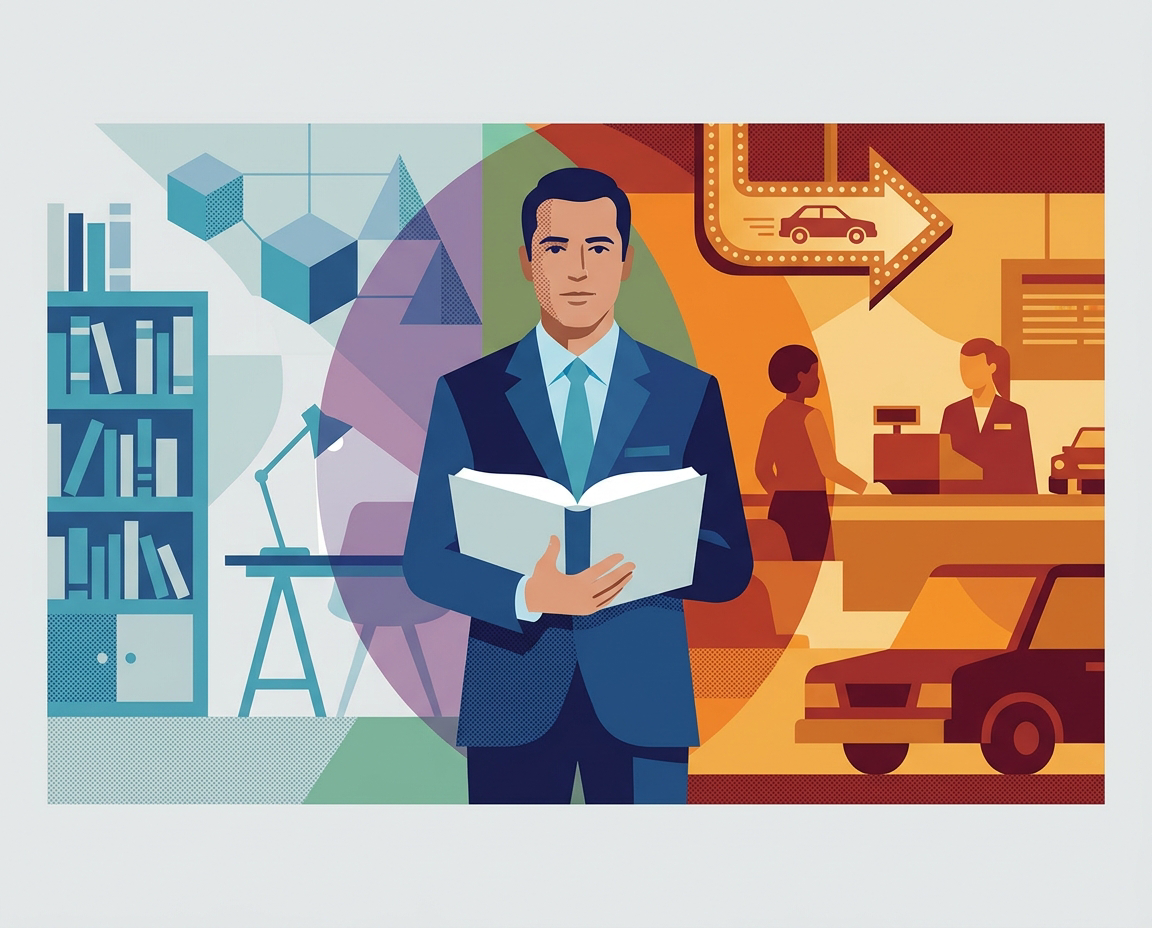
1. Reciprocity. Give first. The brain hates feeling indebted.
Human beings are wired to return favours. When someone does something for us, we feel an almost involuntary obligation to give something back. This is not politeness. It is neurology.
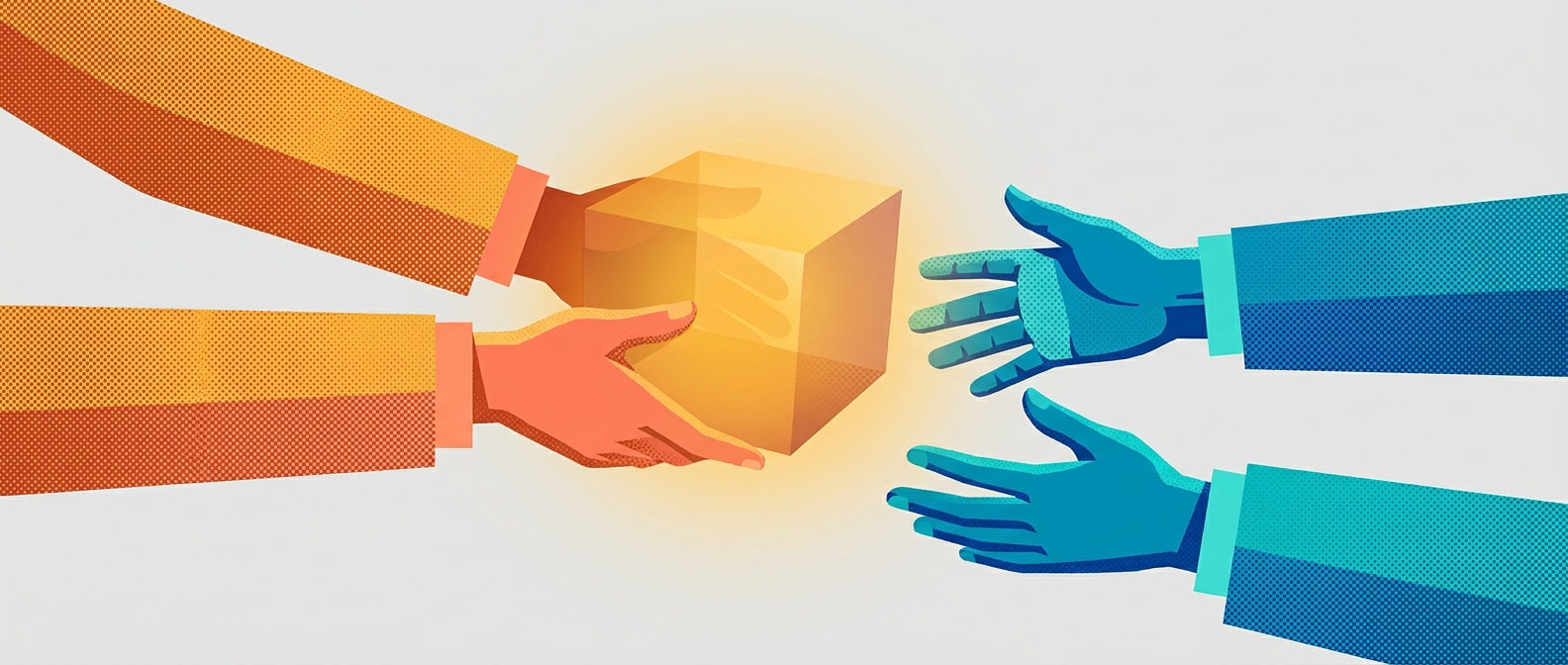
Cialdini's most famous reciprocity experiment took place in restaurants. When waiters gave diners a single mint with the bill, tips increased by around 3%. When they gave two mints, tips quadrupled to a 14% increase. But when the waiter paused, turned back, and said, "For you nice people, here's an extra mint," tips jumped even higher. The personal touch multiplied the effect.
This is why HubSpot gives away free marketing tools. Why The New York Times lets you read free articles before the paywall. Why every serious brand publishes a free blog before asking you to buy. The free thing is not generosity. It is a calculated investment in your sense of obligation.
When I was building the Base launch strategy, this principle became the entire foundation of the "E" in C.O.R.E. - Earn Trust Before You Ask. Cold download ads to strangers produced almost nothing. The same ads, served to people who had first read our content or watched a community spotlight, converted at multiples higher. The give had to come before the ask. Always.
Apply it tomorrow: Give your audience genuine value before you ask for anything. Make the gift specific, personal, and unexpected. Then ask.
2. Commitment and Consistency. Get the small yes before the big one.
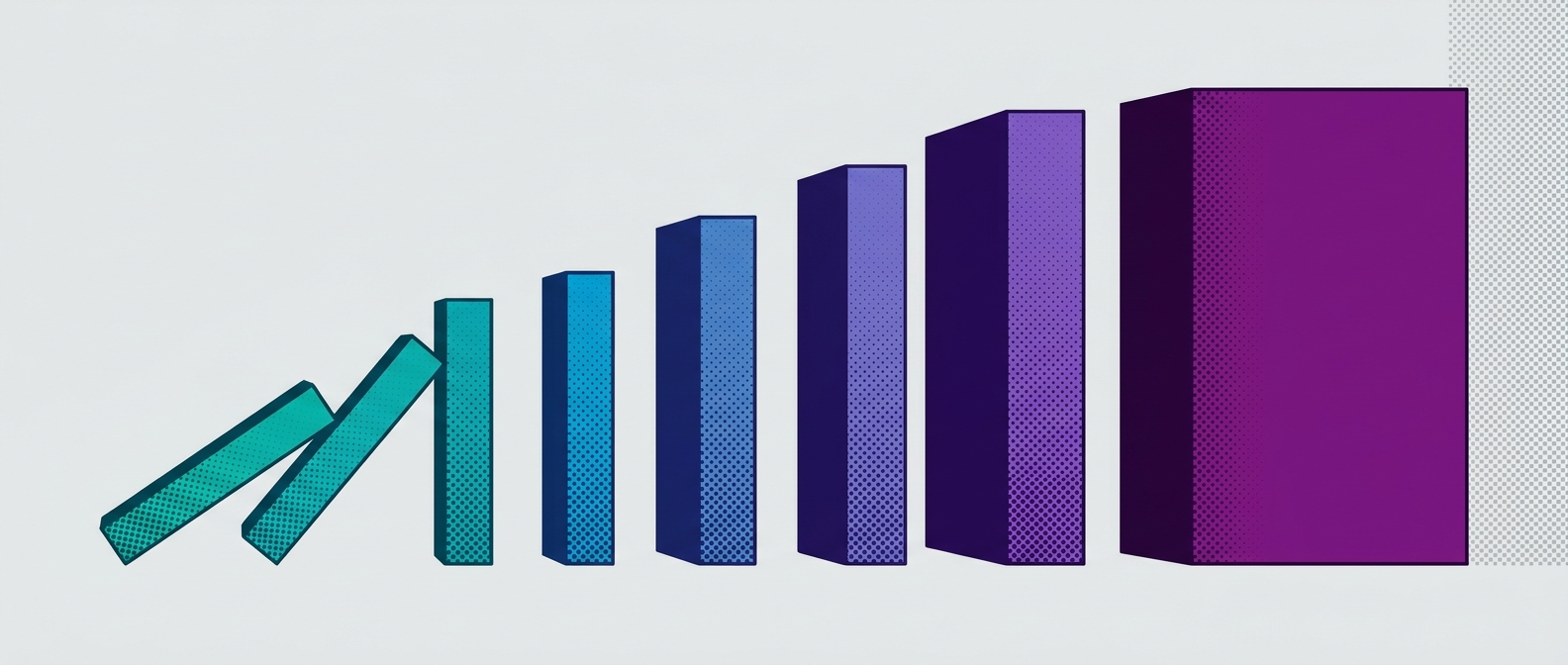
Once people commit to something, even something small, they want to act consistently with that commitment. The brain hates contradicting itself.
In a famous study, almost no homeowners agreed to put a large ugly billboard reading "Drive Safely" on their front lawn. But in a similar neighbourhood, four times as many homeowners said yes. Why? Because ten days earlier, those same homeowners had been asked to display a small postcard supporting the same cause. The small commitment unlocked the big one.
This is why insurance companies show you the base price first, then upsell add-ons. Why SaaS companies offer free trials. Why every smart sales process asks you to take a tiny action before the big purchase decision.
The path to a buyer is paved with small yeses.
Apply it tomorrow: Stop asking for the sale on the first interaction. Ask for an email. A newsletter signup. A small download. Then build from there.
3. Social Proof. People do what other people are doing.
When we are uncertain, we look at what others are doing and copy them. This is the bandwagon effect, and it is the single most exploited principle in modern marketing.
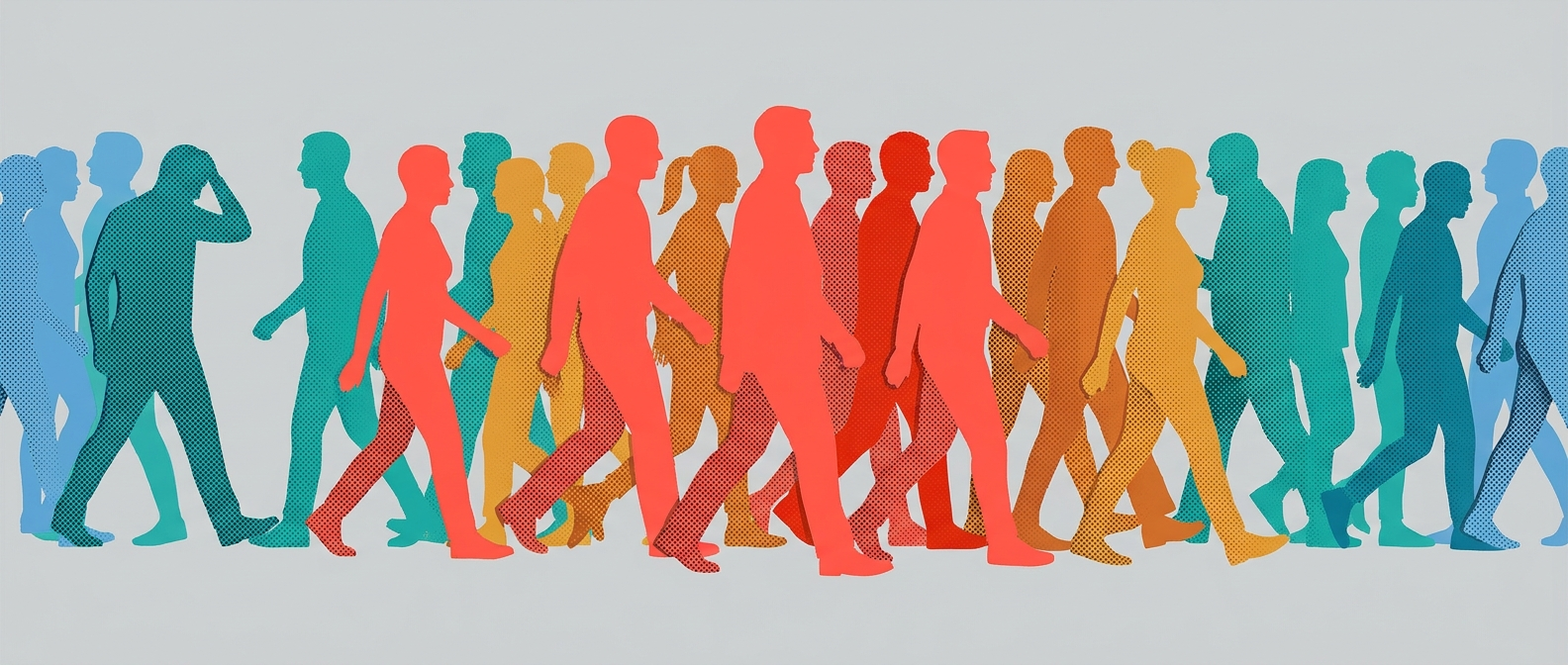
Booking.com mastered this years ago. "Only 2 rooms left at this price." "23 other people are looking at this property right now." "Booked 47 times in the last 24 hours." Every line is engineered to whisper one message - other people like you have already chosen this.
Amazon does it with reviews. Airbnb does it with traveller numbers. Even your LinkedIn feed surfaces what your network is engaging with. Social proof can increase purchase likelihood by up to 270%.
But the sharpest example is recent. When Dunkin Donuts collaborated with TikTok creator Charli D'Amelio in 2020, sales rose 20% on launch day and app downloads jumped 57%. Charli was not selling coffee. She was social proof in human form. Her endorsement said people like me drink this.
In the Gulf and across Africa, where word of mouth carries enormous cultural weight, this principle is amplified. A single trusted voice in a community can move more product than a six-figure ad campaign. The brands that win in our region understand this and design for it.
Apply it tomorrow: Display reviews, ratings, customer logos, user numbers. Anything that signals others have already chosen and been satisfied.
4. Authority. People trust credible experts.
We are wired to defer to expertise. Titles, credentials, uniforms, even confident posture, all signal authority and reduce the mental effort of decision-making.
Cialdini's team ran an experiment with property estate agents. When the receptionist briefly mentioned the relevant agent's expertise before transferring the call - "I'll put you through to Lisa, our lettings expert with over 15 years of experience" - appointments rose by 20% and signed contracts by 15%. A simple introduction, no extra cost, measurable lift.
This is why doctors appear in toothpaste commercials. Why financial brands cite their analysts. Why the smartest personal brands invest years in establishing themselves as the trusted voice in their niche before monetising. Authority is built, then deployed.
It is also, frankly, why I am writing M3. Every issue is a deposit in the authority bank. Not for vanity. Because authority is the most expensive currency in marketing, and it cannot be bought - only earned.
Apply it tomorrow: Make your expertise visible. Credentials, case studies, published work, awards, media mentions. If you are the expert, show it.
5. Liking. We say yes to people we like.
This sounds obvious until you realise how rarely brands act on it. People are far more likely to be persuaded by people they find likable, similar to themselves, or who pay them genuine attention.
Airbnb's referrals programme is the textbook case. The original version showed a generic listing alongside the Airbnb logo. It underperformed. They redesigned it to show the smiling face of the friend who referred you, with their name prominently displayed. Signups and bookings increased by over 300% per day.
That is the principle of liking, weaponised through design. The brand was not selling a stay. It was selling the warmth of a friend's recommendation.
Apply it tomorrow: Humanise everything. Real photos of real people, not stock images. Conversational copy, not corporate jargon. People buy from people they like.
6. Scarcity. The rarer something is, the more we want it.
Loss aversion is one of the most powerful forces in human psychology. We are far more motivated to avoid losing something than we are to gain something of equal value.
This is why "Only 3 left in stock" works. Why limited-edition drops sell out in minutes. Why the Pumpkin Spice Latte returns every autumn instead of staying on the menu year-round. Properly applied, scarcity can lift conversion rates by 25 to 30%.
But here is the warning that almost no marketing blog says out loud. Inappropriately applied scarcity can damage brand trust by up to 45%. Manufactured urgency, fake countdowns, dishonest "limited stock" claims, they all work once. Then your audience catches on, and you lose them forever.
Real scarcity converts. Fake scarcity destroys trust.
Apply it tomorrow: If your offer genuinely has limits, communicate them clearly. If it does not, do not invent them.
7. Unity. We are persuaded by people who feel like us.
This is the principle Cialdini added in 2016, and it is arguably the most powerful in our cultural moment. Unity goes beyond liking. It taps into shared identity. People do not just buy from people they like. They buy from people they feel are part of their tribe.
This is why brands invest so heavily in community. Why Apple users speak about being Apple users. Why Patagonia customers describe themselves as Patagonia customers, not just buyers of jackets. Identity is the deepest moat in marketing.
When I built C.O.R.E., the first principle was Community First — and not by accident. Base was never going to win by being a better app. It was going to win by belonging to the people it served. Pastors talking to pastors. Club secretaries learning from other club secretaries. The product was the platform, but the marketing was the tribe.
In the Gulf and across Africa, this principle operates at extraordinary scale. Brands that authentically embed themselves in local culture, that show up during Ramadan with genuine respect rather than opportunism, build the kind of unity that no amount of advertising spend can replicate.
Apply it tomorrow: Stop trying to appeal to everyone. Define the tribe you serve. Build a brand they can identify with, not just buy from.
The Honest Caveat
Persuasion is power. And like all power, it can be used to serve or to exploit.
The marketers who win long term are the ones who use these principles to deserve the sale, not to extract it. Manufactured urgency. Fake reviews. Manipulative consistency traps. They all work in the short term. They all destroy brand trust faster than any campaign can rebuild it.
The honest test for every persuasion tactic is simple. If your customer fully understood why you used it, would they still respect you for it? If yes, you are persuading. If no, you are manipulating.
Choose persuasion. It compounds. Manipulation eats itself.
The Question I'll Leave You With
When I built C.O.R.E., I was not trying to reinvent psychology. I was trying to fix a launch that was not converting. The framework worked because, without realising it, I had built it on principles humans have responded to for as long as we have been making decisions.
That is the real lesson of Cialdini. These principles are not tricks. They are not hacks. They are the architecture of how people decide. Every great marketer eventually rediscovers them, whether they have read the book or not.
The question is not whether you are using them. You already are. The question is whether you are using them with intention - or by accident.
Which of the seven are you using deliberately, and which are you leaving to chance?
M3 - The Mumin Marketing Memo is a bi-weekly marketing insight series by Sadick Mumin, Marketing Manager at Coreo Real Estate, Doha, Qatar. Published on sadickmumin.com and LinkedIn.
